


Xiamen Gelashi: a Sunglasses Manufacturer Focused on Innovation and Quality
Our company was established in 2010 and is located in Xiamen, one of the four major eyewear production bases in China. Whether it is production or service, we treat customers with a sincere and professional attitude.
Variety of Products
We are committed to producing various types of eyewear, including sunglasses, optical frames, reading glasses, safety glasses, etc. Our monthly output exceeds 300,000 pairs of glasses. Our product range includes injection molded and metal frames, as well as professional sports, casual and fashion sunglasses.
Advanced Production Equipment
We are a full-service company providing complete design, R&D, production and sales services. Our production workshop is equipped with the most advanced equipment, such as injection molding machines, grinding and polishing machines, CNC machine tools, automatic painting machines and other advanced tools.
Multiple International Certifications
Our products have obtained ISO 9001, FDA, CE, SGS, etc. certifications, and our company has a complete quality control system to ensure the highest standards. By using high-quality environmentally friendly materials in our products, we are committed to promoting a green economy and sustainable development.
Rich Experience
Our products sell well in mainstream markets such as Europe, North America, Japan, South America, Oceania, and Asia. We have established long-term cooperative relationships with customers around the world, with annual sales exceeding 3 million pairs of glasses. In addition, we also provide OEM/ODM manufacturing services to many customers.


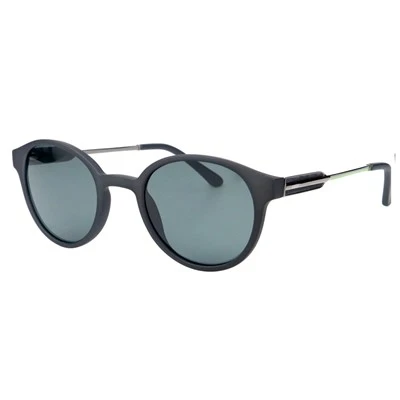


Sunglasses are a type of protective eyewear primarily used to prevent damage or discomfort to the eyes from bright sunlight and high-energy visible light. They sometimes also serve as a visual aid, as there are glasses or glasses under various names that feature tinted, polarized or darkened lenses. These sunglasses help protect your eyes from UV rays emitted by the sun as well as potentially harmful elements such as wind, dust, smoke and snow.

How do Sunglasses Work?

Sunglasses typically work by covering the spectacle lenses with a tint, coating, or filter that helps create a barrier between the eye and UV rays. The lenses of sunglasses protect your eyes from UV rays and other potentially harmful elements. Sunglasses work best if they have larger sides, or if they wrap around the eyes, because the greater the surface area of the lens, the greater the protection for the eyes. Sunglasses also work best if they fit correctly on the nose, so there is no sunlight or other factors interfering with eye clearance.
Strong UV Protection
Sunglasses feature special UV protection lenses, so it protects our eyes from harmful UV rays emitted by the sun. It provides a barrier to the eyes, protecting them from excess heat and light.
Fashion Appearance
Sunglasses come in a variety of styles, such as sports, retro, trendy, and street style. It enhances people's fashion statement by adding new and diverse colors to clothing. Your outfit is incomplete without sunglasses.
Various Sizes
Large-sized sunglasses protect your eyes from dust and dirt. While driving, people can wear sunglasses to add a shield to their eyes from dirt and dust. There are also small sunglasses that are perfect as fashion accessories.
Anti-Reflective
Many people wear sunglasses when out in the snow because their anti-reflective properties help eliminate the reflection of light from the snow. When sunlight hits snow, it reflects the light to prevent it from causing damage to the human eye.


The benefits of sunglasses are that they help protect the eyes from UV rays, help protect the eyes from potentially harmful elements, can reduce glare, help protect the skin around the eyes, and may help reduce eye strain. Listed below are the advantages of sunglasses:
- Protects Eyes from UV Rays: Sunglasses help protect eyes from UV rays, which is one of the biggest benefits of sunglasses. Since prolonged exposure to UV rays can cause damage to your eyes, sunglasses can help reduce the amount of UV rays that reach your eyes.
- Protects Eyes from Potentially Harmful Elements: Sunglasses can provide a level of protection from potentially harmful elements such as wind, sand, snow, and dust because they provide a barrier between these elements and the eyes.
- Reduce Glare: Some sunglasses, such as polarized sunglasses, are designed to help reduce glare, which can help protect your eyes and limit visual disturbances.
- Protect the Skin Around Your Eyes: If your eyes are large or wrap around glasses, sunglasses may help protect the delicate skin around your eyes.
- May Help Reduce Eye Strain: Sunglasses may help reduce eye strain because when you wear them, your eyes don't have to squint in the sun or have difficulty seeing through glare or bright lights.
Types of Sunglasses


Polarized Lenses
Polarized lenses are specially treated to reduce glare. They work by blocking reflected light, which is responsible for glare. Polarized lenses are ideal for outdoor activities such as fishing, boating, and driving
Mirrored Lenses
Mirrored lenses have a reflective coating that helps to reduce the amount of light that enters the eyes. This type of lens is popular for its stylish look and is ideal for pretty much any and all outdoor activities.
Gradient Lenses
Gradient lenses have a gradual transition from a dark to a lighter tint. This type of lens is perfect for those with sensitive eyes who require protection from bright light but still want to see clearly in other areas.
Photochromic Lenses
The perfect two-in-one combination, these adjust to the amount of light. When the lenses are exposed to UV rays, these grow darker, and under dim light, they become clearer and brighter. They eliminate the need to change from sunglasses to glasses depending on whether you are outdoors or indoors.
Polycarbonate Lenses
These are ideal for sporty types who like playing high impact sports like football and basketball. They hold up almost 50 times better than other lenses under impact. They are also thinner and lighter than other types of lenses and can provide 100 percent UV protection without the extra coating. However, you should get additional coatings added to minimize reflections and scratches.
High Index Plastic Lenses
These lenses allow people with a stronger prescription power to wear lenses that are lightweight and thin. This ensures that your sunnies don’t feel like a rock on your nose, whether you’re farsightedness, nearsightedness, or need corrective eyewear for astigmatism. The lenses are made from a high-index plastic material that comes with a coating that allows the lens to provide complete UV protection. You will probably need additional coating to make them more scratch-resistant.
You can also choose from a variety of lens coatings to best suit your sunglasses, including:
- Anti-Reflective Coating: This coating is added to the back of the lens to ensure that light does not reflect off the lens, keeping your eyes comfortable in the sun.
- UV Coating: Prevents the sun's harmful rays from penetrating the lens, providing your eyes with complete UV protection. This can be applied to both plastic and glass lenses.
- Mirror Coating: This provides further protection by deflecting the lens to prevent light from penetrating the lens.
- Anti-Scratch Coating: As the name suggests, it prevents scratches. The coating is attached to both sides of the lens. Also called glitter coatings, they come in a variety of colors and densities.
- Anti-Fog Coating: This is a godsend in this day and age, given that masks have become a part of our daily wear. Wearing a mask will always cause the glass to fog up, and even without a mask, humid weather or drinking hot tea can cause the glass to fog up. Anti-fog coating on the back of the lens ensures that the lens does not fog up.


The color of the lenses is one of the main features of sunglasses. Lens color is primarily a matter of personal preference, although certain tints are recommended for specific activities. Here are the most common lens colors and why you might choose one over the other.
- Gray - The most neutral shade. It has minimal impact on your color vision. They are perfect for most activities.
- Green - Provides contrast and helps reduce glare and eye fatigue. They are great for golf, tennis and everyday use.
- Red or Rose - Blocks blue light, thus improving driving visibility while reducing eye fatigue. They enhance detail and increase depth of field. They are great for hunting, biking, snow and water sports.
- Blue or Purple - Enhances color perception. They suit most skin tones and work well in foggy weather.
- Amber or Brown - Increases contrast and improves vision. They are ideal for most sports as they enhance the contrast between green grass and blue sky.
- Yellow, Orange or Gold - Improves the visibility of objects, especially in medium to low light conditions. They are great for indoor and outdoor activities.
Factors to Consider Before Buying Sunglasses
UV Protection Function
Reliable sunglasses brands always list the type of UV protection on their labels. This is the case if you come across labels in the 100% UV protection or UV 400 filtering categories. Sunglasses with UV 400 lenses block all wavelengths of light up to 400 nanometers and cover all UVA and UVB rays. When shopping for sunglasses, be sure to look for one of these labels to ensure they provide the best UV protection for your eyes.
Sunglasses Frames
Once you've decided on the shape and style of your final shades, consider whether the frames are sturdy enough for your lifestyle. These properties are critical for weight, strength, flexibility, and resistance to corrosion and impact. You will find a variety of metal frames. Metal frames are a popular choice because of their flexibility and corrosion resistance. However, metal frames don’t offer as many style and color options as plastic frames. Plastic frames are generally cheaper and available in countless colors and patterns, but some are even more susceptible to cracking. Intense sunlight can also reduce intensity and color over time.
Understanding Polarization Effects
Polarized sunglasses are becoming more and more popular. Polarized lenses have filters that allow only vertical light to enter and block horizontal light. When this happens, it reduces brightness, increases contrast, and improves clarity and visual comfort. Polarized lenses are not important for blocking the sun’s UV rays. They provide extra protection and better visibility into the sun, which is especially helpful when driving or playing certain sports. If you want to buy good quality sunglasses, it is recommended to buy polarized sunglasses. Polarized lenses may not be suitable in some situations.
Know the Expiration Date
Yes, sunglasses have an expiration date. The typical shelf life of a pair of sunglasses is two to three years or more. Sunglasses expire because with prolonged exposure to UV rays, the UV protection layer on the lenses becomes damaged and is no longer effective.
Color
Many people may think that the darker the sunglasses, the better they will protect their eyes from sun damage. The reality is that a darker lens does not necessarily mean it blocks UV rays more effectively. If your sunglasses are dark in color but don’t have 100% UV protection lenses, they won’t be able to effectively protect your eyes. Dark sunglasses are particularly good at filtering out ambient light and brightness. The problem with dark sunglasses is that they open the pupils, allowing more light into the eyes. If sunglasses do not protect against UV rays, exposure to UV rays increases the risk of falls and macular degeneration. Make sure they have lenses with 100% UV protection.
Adequate Sun Protection
Do you have sunglasses that block 100% of UV rays but cover your eyes enough to protect them from sunlight coming from all directions? Those little round or weird lightning bolt frames may look stylish, but your eyes need more protection than just blocking the sun in front of you. To make sure you get the most out of your sunglasses, look for premium or complete styles that offer true sun protection. Cover-up sunglasses cover up insomnia and prevent harmful rays from entering the sides, protecting the eyes and the sensitive skin around the eyes from the sun.
Sunglasses are an essential item for most people. An amazing way to protect from UV, glare and look good in the process. But, if you don’t look after sunglasses they can scratch, warp, bend and break. To keep your eyewear looking newer for longer, here’s a quick ‘how to look after sunglasses’ rundown. Some simple tips that go a long way in making sure your favourite shades last.
Don’t Sit Sunglasses on the Top of Your Head
The sun has gone behind the clouds, you’ve gone indoors, or you want to get a closer look at the banging photo your friend just took of you. There are a bunch of reasons to take your sunnies off during the day. The temptation is to simply lift them up and sit them on top of your head. However, over time this stretches out the frames, puts strain on arm pins, and generally bends things out of shape. You’ll find your glasses slipping off your face like they’re too big. Much better to hang them on your t-shirt collar in a pinch, or stash them safely in a case.
Care for Sunglasses by Keeping Them in a Case
Most good sunglasses brands will either ship their eyewear in a pouch or case. Use it. A lot of people keep their case in a draw at home. Either put it in your car where it will get more use, or your favourite bag that you’re always taking out and about. Structured cases obviously offer the best protection, especially at the bottom of handbags with keys, phones and forgotten lip balm that’s older than time itself.
Avoid Putting Sunglasses on Car Dashboards
Cars can get damn hot in the sunshine and the dashboard is a scorching dancefloor right in the glare. Plastic frames will warp at the first sign of temperature rises. Even premium acetate and Grilamid frames will bend over time if constantly subjected to heat exposure. Much better to have your glasses safely in a case in the centre console, or at the very worst that little cubby hole in front of the gear stick.
Clean Sunglasses with a Soft Cloth
We all do it. Cleaning our sunglasses with our t-shirts. Depending on how clean that material is and how soft or rough it is, you might be doing more damage than good - especially over time. If you can help it, keep a soft cloth in your sunglasses case for times when you need a little sparkle up. Again, most good eyewear brands will include a cloth when you get your new frames.
Pick Premium Sunglasses that don’t Scratch Easily
Life is tough. You can’t always be vigilant 100% of the time and eventually your eyewear will take a few knocks, brush up against some sand, or maybe even get sat on, nooooo. The best way to make sure your sunglasses last is to get ones made from quality materials. We only use mineral glass in our eyewear because it’s 12x more scratch resistant than regular plastic lenses. Acetate or durable metal frames are key as well. If you can afford it, it’s well worth the investment.
What You Need to Know Before Storing Your Sunglasses
When deciding where and how to store your sunglasses, we recommend following these simple storage tips.
Find a Cool, Dry Storage Place
When it comes to figuring out where to store sunglasses, the best place is somewhere away from direct sunlight and heat. This is because extreme heat can fog up the lenses and cause the frames to warp, bend, or crack. You’ll also want to keep your sunnies away from moisture and humidity, which can make them brittle.
Clean Your Sunnies Before Storing Them
We don’t necessarily expect you to clean your sunglasses after every use, but it’s a good idea to keep them regularly maintained. Before storing them, give them a quick wipe with a lint-free cloth and consider spraying them with some lens cleaner to get rid of any smudges.
Keep Their Original Boxes
We also recommend keeping the original boxes that came with your sunglasses. Even if they’re not part of your bigger storage solution, they’re always handy to have, especially if you plan to travel with your sunglasses. After all, these boxes are designed specifically for those sunnies, providing the right size and padding to help keep them in good condition.
Take Inventory of Your Collection
Finally, evaluate each type of sunglasses before storing yours. If you find it's crumbling, bent, or damaged beyond repair, consider throwing it away or recycling it. Maybe you've come across a pair of glasses that you no longer like, and it leaves you with a bad feeling. Donate them or give them to a friend! There is no point in keeping sunglasses that you no longer intend to wear.
Sunglasses aren’t just stylish accessories; they play a vital role in safeguarding your eyes from the sun’s harmful rays. However, misinformation about sunglasses can lead to poor choices that compromise eye health. Let’s debunk 10 common sunglasses myths and empower you to make smart eye health choices.
Myth 1: You Only Need to Wear Sunglasses on Sunny Days
It’s a common misconception that sunglasses are only necessary when the sun is shining brightly. However, the sun’s harmful UV rays can penetrate cloud cover, posing a risk to your eyes even on overcast days. Should you wear sunglasses on cloudy days? Yes!!! Protect your eyes year-round with our best sunglasses for sunny days and don’t let cloud cover fool you; prioritize your eye protection and wear sunglasses every day.
Myth 2: Darker Lenses Provide Better Protection
Contrary to popular belief, the darkness of lenses doesn’t necessarily equate to better UV protection. While sunglasses with dark lenses might seem more protective, it’s the lens material and UV coatings that truly matter. Rest assured that, regardless of the tint color you choose, all sunglasses combine style with optimal UV protection to shield your eyes from the sun’s harmful rays. Don’t let darker lenses deceive you; learn more about your lenses to find the right sunglasses.
Myth 3: All Sunglasses Block UV Rays
Believing that all sunglasses provide adequate UV protection can be a grave mistake. Not all sunglasses offer the necessary defense against the sun’s harmful UV rays. Discover our best sunglasses for UV protection, designed to shield your eyes from UVA and UVB light. When you wear sunglasses, make sure you have a pair that offers optimal UV defense and provides adequate protection from the sun. Check to make sure the sunglasses you’re wearing are marked either “UV 400” or “100% UV Protection”.
Myth 4: More Expensive Sunglasses are Always Better
Price doesn’t always dictate quality when it comes to sunglasses. Ensuring protection from the sun and lens quality are crucial factors. Don’t be misled by the notion that higher price equates to better protection, but also be on the lookout for cheap sunglasses without a tag indicating UV protection. Look for information about how the sunglasses you are looking at are made, what materials are used, and what UV protection and additional lens features are offered.
Myth 5: Polarized Lenses are Always Better
While polarized lenses reduce glare, polarization isn’t the only factor to consider and it isn’t right for everyone. Our polarized sunglasses offer enhanced visibility by reducing reflected light, but comprehensive eye protection involves more than polarized lenses. UV light protection and lens color play vital roles in guarding against sun damage. Don’t get caught in the myth that polarization is the only important factor; choose sunglasses that provide a balance of features to ensure optimal eye health.
Myth 6: Children Don’t Need Sunglasses
Dispelling the misconception that children’s eyes are immune to the sun’s harmful effects is crucial. Children’s eyes are more sensitive to UV light, making proper protection essential. Starting healthy habits early ensures their eye health from a young age. Shielding kids’ eyes from the sun’s harmful radiation and UV rays helps prevent long-term damage. Prioritize their well-being by providing sunglasses that combine fun designs with the necessary defense against the sun’s damaging effects. Don’t overlook your child’s eye health – make sunglasses an integral part of their outdoor routine.
Myth 7: Sunglasses aren’t Necessary When Wearing a Hat
Relying solely on a hat for sun protection leaves your eyes vulnerable to UV rays. The sun’s rays can still reach your eyes from various angles. UV rays can reflect off surfaces, intensifying exposure. A hat offers some shade, but sunglasses provide full coverage, reducing glare and UV penetration. If you’re wearing a hat, you should also be wearing sunglasses for comprehensive defense. Prioritize eye health by incorporating both hat and sunglasses into your outdoor ensemble for optimal protection against the sun’s harmful effects.
Myth 8: You Don’t Need to Worry about Scratches
Believing that scratches on your sunglasses are purely cosmetic is a misconception that can compromise your eye health. Scratched lenses can distort your vision and weaken UV protection, exposing your eyes to harmful rays. Prioritize long-lasting eye protection by investing in high-quality sunglasses with proper lens treatments. Ensuring scratch-free lenses safeguards your vision and enhances your outdoor activities. Don’t dismiss scratches as mere aesthetics; they play a crucial role in maintaining optimal eye health.
Myth 9: Sunglasses Size Doesn’t Matter
Dismissing the importance of sunglasses size is a misguided notion that impacts both style and eye protection. Ill-fitting sunglasses can lead to discomfort and inadequate UV coverage. Proper sizing is crucial to prevent UV rays from sneaking in through gaps. Prioritize your eye health and style by selecting sunglasses that suit your face shape and size.
Myth 10: Sunglasses are Only for Fashion
Believing that sunglasses serve solely as a fashion statement disregards their critical role in eye protection. Sunglasses shield your eyes from the sun’s harmful UV rays, reducing the risk of eye damage. While style is important, sunglasses offer more than aesthetics. Choose fashion sunglasses that combine chic design with essential UV protection. Choose wisely – prioritize both eye health and style, ensuring your sunglasses offer the best of both worlds.
Our certificate
Our company has obtained the following certificates:


Production Equipment
The following are the production equipment we use:


Ultimate Guide
We're well-known as one of the leading sunglasses manufacturers and suppliers in China. Please feel free to wholesale customized sunglasses at competitive price from our factory. Good service and quality products are available.