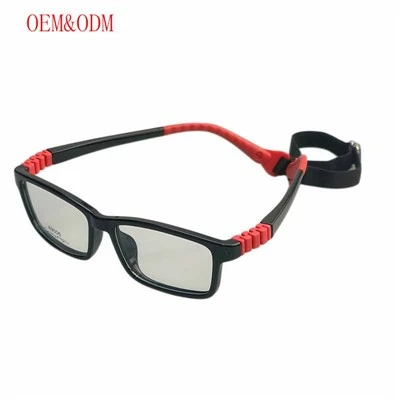
Photochromic Driving Sunglasses
Description
Technical Parameters
Photochromic driving sunglasses integrate specialized light-reactive molecules directly into the lens substrate or TAC/PC polarization stack. These molecules react to ambient UV radiation and near-visible spectrum shifts. Unlike standard lifestyle photochromic lenses that remain inactive behind automotive laminated glass due to built-in UV blockers, these variants use dual-wave activation technology. They shift from a baseline tint (Category 1-2) to dark sun protection (Category 3) even inside vehicles.
Engineered for bulk private-label distribution, optical distributors, and automotive accessory portfolios, our production lines deliver consistent batch-to-batch optical clarity, robust mechanical hinges, and rigorous compliance with international PPE and sunglass standards.
Key Features
Windshield-Responsive Kinetics: Incorporates hybrid organic-inorganic photochromic dyes responsive to both direct UV and near-UV spectrums penetrating vehicle glass, achieving a functional transmission shift within 30 to 60 seconds of exposure.
Integrated Polarized Matrix: Embedded Japanese PVA polarizing film eliminates 99% of horizontal glare off wet asphalt, car hoods, and dashboards without distorting LCD or head-up display (HUD) panels.
Controlled VLT Range: Operates within a calibrated Visible Light Transmission span of 15% (fully activated) to 45% (baseline/overcast), maintaining legal visibility in low light while suppressing high-sun glare.
Impact-Resistant Substrates: Manufactured from optical-grade Polycarbonate (PC) or high-tension Tri-Acetate Cellulose (TAC) complying with drop-ball and high-velocity impact test protocols.
Anti-Reflective (AR) Backside Coating: Eliminates internal ghost reflections bouncing off the rear lens surface into the wearer's eyes during night or tunnel driving.
Materials & Specifications
|
Technical Parameter |
Specification Standard |
Material / Tolerance |
|
Lens Material |
Optical Grade PC / TAC |
Refractive index 1.586, Abbe number 30 |
|
UV Blocking |
UV400 |
Blocks 100% of UVA, UVB, and UVC rays up to 400nm |
|
Polarization Efficiency |
JIS T 7333 / EN ISO 12312-1 |
Greater than or equal to 99 percent extinction ratio |
|
Base Curve |
6C / 8C Wrap-around |
Optimized for peripheral coverage and wind deflection |
|
Frame Material |
TR90 / Monel Alloy / Acetate |
Density 1.05 g/cm3 (TR90), tensile strength greater than or equal to 62 MPa |
|
Hinge Type |
Integrated Spring / Barrel |
Nickel-silver alloy, endurance tested to 50,000 cycles |
|
Standard Compliance |
CE, FDA, ANSI Z87.1 (optional) |
Drop-ball, optical center tolerance less than or equal to 0.5 mm |
Frame Construction
TR90 Memory Polymer Fronts: Offers high flexural fatigue resistance. Frames bend under pressure and return to their original geometry without snapping, enduring cabin temperatures up to 80 degrees Celsius without warping.
Adjustable Silicone Nose Pads: Medical-grade, hypoallergenic silicone pads mounted on titanium cores allow custom fitting, preventing frame slippage during head rotations.
Ergonomic Temple Tips: Curved temple geometries distribute clamping force evenly behind the ears, eliminating pressure points during multi-hour driving shifts.
Custom Core Wire Reinforcement: Stainless steel wire cores embedded within injection-molded temples allow opticians or end-users to micro-adjust temple curvature.
Design & Size Options
Frame Styles: Navigator, Aviator, Square, Rectangular, and Semi-Rimless Wrap.
Standard Dimensions:
• Lens Width: 58 mm to 64 mm
• Bridge Width: 14 mm to 18 mm
• Temple Length: 135 mm to 145 mm
Finish Options: Matte black, gunmetal electroplating, tortoise shell, injection-colored rubberized touch finish, and laser-etched metallic logos.
OEM & ODM Customization
Custom Lens Tinting: Tailored baseline and activated tint colors (e.g., copper-brown for high-contrast road definition, smoke-grey for neutral color perception, or amber for low-light fog penetration).
Private Label Branding: Laser engraving on temples, pad printing on interior temple tips, custom hot-stamped microfiber pouches, and rigid collapsible EVA hard cases.
Optical Prescription (Rx) Readiness: Frame grooves and bevel depths engineered to accept prescription photochromic sun lenses (RX-able direct-groove or adapter formats).
Packaging Customization: FSC-certified retail display boxes, barcode labeling (UPC/EAN), and drop-test-certified master cartons.
Manufacturing & Quality Control
Production is managed in our ISO 9001-certified manufacturing facility, utilizing automated injection molding lines, robotic lens edging centers, and dedicated optical testing labs.
Lens Coating & Curing: Cleanroom vacuum chambers apply anti-scratch hard coats and hydrophobic/oleophobic top layers, thermally cured to prevent peeling or crazing.
Photochromic Drop-Ball Testing: Every production lot undergoes drop-ball impact testing using a 16g steel ball dropped from 1.27 meters to verify structural lens resilience.
Spectrophotometer VLT Analysis: Ultraviolet-visible spectrophotometers measure light transmission percentages across batches to ensure transition uniformity within plus or minus 2 percent tolerance limits.
Hinge Fatigue & Salt Spray Testing: Metal components undergo 48-hour salt spray corrosion testing and continuous mechanical open-close cycles to verify spring tension stability.
Applications
Commercial Logistics & Trucking: Fleet safety equipment reducing driver fatigue caused by blinding glare and sudden highway light transitions.
Automotive Aftermarket Retail: Direct-to-consumer shelf stock for specialized auto-accessory distributors and service centers.
Outdoor & Recreational Driving: Long-distance touring, convertible driving, and motorsports where peripheral wind and glare protection are critical.
Corporate Safety & PPE: Industrial fleet programs requiring certified eye protection against UV radiation and glare-induced hazards.
Packaging & Order Information
Standard Export Packaging: Individual polybag -> Branded hard case / microfiber pouch -> Individual white tuck box (10 pcs inner box) -> 5-layer corrugated master carton (100 pcs per master carton).
Master Carton Specs: Approximate dimensions 60 x 40 x 30 cm, gross weight approximately 12 kg (varies by frame material).
Minimum Order Quantity (MOQ):
• Stock colorways / existing tooling: 300 pcs per model (can mix 3 frame/lens color variations).
• Custom OEM/ODM tooling or custom lens tint formulas: 1,200 pcs per model.
Lead Time: Sample dispatch within 7 business days; bulk production orders ship within 25 to 35 days upon deposit and artwork confirmation.
FAQ
Hot Tags: photochromic driving sunglasses, China photochromic driving sunglasses manufacturers, suppliers, factory
Previous
Gradient Driving SunglassesSend Inquiry