


Xiamen Gelashi: a Reading Glasses Manufacturer Focused on Innovation and Quality
Our company was established in 2010 and is located in Xiamen, one of the four major eyewear production bases in China. Whether it is production or service, we treat customers with a sincere and professional attitude.
Variety of Products
We are committed to producing various types of eyewear, including sunglasses, optical frames, reading glasses, safety glasses, etc. Our monthly output exceeds 300,000 pairs of glasses. Our product range includes injection molded and metal frames, as well as professional sports, casual and fashion sunglasses.
Advanced Production Equipment
We are a full-service company providing complete design, R&D, production and sales services. Our production workshop is equipped with the most advanced equipment, such as injection molding machines, grinding and polishing machines, CNC machine tools, automatic painting machines and other advanced tools.
Multiple International Certifications
Our products have obtained ISO 9001, FDA, CE, SGS, etc. certifications, and our company has a complete quality control system to ensure the highest standards. By using high-quality environmentally friendly materials in our products, we are committed to promoting a green economy and sustainable development.
Rich Experience
Our products sell well in mainstream markets such as Europe, North America, Japan, South America, Oceania, and Asia. We have established long-term cooperative relationships with customers around the world, with annual sales exceeding 3 million pairs of glasses. In addition, we also provide OEM/ODM manufacturing services to many customers.


Reading glasses are designed to help magnify your near vision, are for occasional use throughout the day, and are not designed to correct vision problems. To help close objects appear clearer, reading glasses use magnifying lenses. This magnifies everything in the viewing area and reduces eye strain. Reading glasses can be used to quickly look up something on your phone, or they can be used for extended periods of time while sewing or reading.

How do Reading Glasses Work

Reading glasses work like a magnifying glass, meaning the edges are the thinnest point and the middle is thicker. This helps magnify the text you're reading and makes it easier for your eyes to focus on close text and objects without having to place them further away. Reading glasses come in different strengths, which means you can choose from different levels of magnification. The intensity you need depends on how advanced your presbyopia is or how much help you need. Reading glasses are available in a diopters range of +0.25 to +0.50, with most suppliers offering a diopters range of +0.25 to +3.50, with higher strengths available from eye care professionals.
Improve Your Vision
Reading glasses work by focusing on the object you are looking at, which helps reduce eye strain and improves your overall vision. Wearing the right reading glasses can give you better vision and clarity when reading, writing, or doing other near tasks.
Protect Your Eyes from Stress and Fatigue
While there are many causes of vision problems, reading glasses can help reduce the stress and fatigue of reading. They make it easier for the eye to focus by enlarging the text. This can help relieve eye strain and fatigue, as well as headaches and other symptoms of eye strain. They can also help people with presbyopia, a condition that causes loss of near vision.
Has the Potential to Improve Your Overall Vision
As we age, the lens of our eyes becomes less flexible, making it difficult to focus on close objects. Reading glasses can help improve vision by reducing eye fatigue and relaxing eye muscles. They can also aid in depth perception and prevent headaches. While reading glasses cannot cure poor vision, they can significantly improve overall vision.
Low Cost
Whether you want stylish or practical reading glasses, you can find them at a reasonable price. While reading glasses cannot cure presbyopia, they can allow patients to enjoy reading, using computers, and other near tasks again. Additionally, reading glasses can be easily removed when not needed, making them a convenient and cost-effective way to improve your vision.
Various Styles Available
Reading glasses come in a variety of styles and designs, so there's bound to be a pair that meets your requirements. They have clear lenses. Reading glasses are also available with bifocal or progressive lenses, allowing you to see both near and far. No matter what style of reading glasses you prefer, they can help you rediscover your love for books, magazines and newspapers.
No Prescription Required
Over-the-counter reading glasses are a popular and convenient option for many people with mild visual impairments. Unlike prescription glasses, reading glasses do not require an eye exam or fitting by an optician. With some trial and error, anyone can find a pair that best suits their needs.
Different Types of Reading Glasses


Single Vision Reading Glasses
Single vision reading glasses have lenses that magnify over the entire surface. These are the most common and easiest to use types of reading glasses. When you're ready to read, just put them on! Lens power or magnification usually ranges from +0.50 to about +3.50. While single vision lenses are the easiest to use, if you use them too often you may get tired of changing your glasses. When you look up from a book or work, you will have a hard time seeing anything beyond 14 inches because the lenses are only there to help your near vision.
Bifocal Reading Glasses
Bifocal reading glasses give you your first look at multifocal reading glasses, which can often be worn for extended periods of time, perhaps even throughout the day. You will use the bifocal portion of the lens for all reading or close-up work, while using the remainder of the lens for normal vision. In other words, the only part of the lens that has magnification is the semicircular bifocal lens. The area above will not be enlarged at all. If you don't need any vision correction other than reading glasses, this feature is perfect for you because you can use the unamplified portion any time you want to take your eyes away from your work. It is important to note that bifocal lenses have a distinct line where the magnification begins. This line creates a significant visual jump when switching between unamplified and amplified vision, which can be distracting.
Progressive Lens Reading Glasses (All Day Readers)
Progressive lenses are a more advanced version of the bifocal lenses discussed above. Given that you don't need regular prescription glasses to see distance, reading glasses with progressive lenses may be worn all day long. Progressive lenses work very similarly to bifocal lenses, but the transition from non-magnified to magnified vision is much smoother. Progressive reading glasses have no lines or obvious magnification areas, helping to maintain a completely discrete aesthetic. If you need prescription glasses when you don't wear them, this pair of reading glasses may not be right for you. You have to switch between reading glasses and prescription glasses to see distances. In this case, you are better off using the full lens magnification offered by single vision reading glasses.
Computer (Blue Light Blocking) Reading Glasses
With digital screen usage and time spent on digital screens growing exponentially every year, computer reading glasses are the latest trend in popularity. Computerized reading glasses, also known as blue light blockers, are very similar to traditional reading glasses, except for one key difference. The typical visual range of reading glasses is about 12-14 inches, while the typical visual range of computer reading glasses is usually 16 -22 inches from the eyes. The different focus points are simply to accommodate the difference in distance at which most people use computers, whereas you're more likely to have objects closer to your face when reading. The blue light blocker portion of the lens is a filter that blocks high-energy visible light (HEV) emitted by electronic devices. This light is believed to cause additional unnecessary eye strain.
6 Essential Uses for Reading Glasses

Order
While we love the ambience, sometimes there's nothing worse than reading a menu in a dimly lit restaurant. Keep an extra pair of reading glasses in your pocket or purse and you'll be all set when you head out for an elegant dinner.

Reading a Map
Road trips are great. Lost on a road trip? Not so much. When your GPS goes down, having reading glasses handy to view actual maps can be the key to getting to your destination. Plus, you can show your grandkids what a real map looks like.

See a Movie
Enjoy new releases at the theater or old classics at home, but either way, get your reading glasses ready. Especially if there are subtitles, you'll be glad you have a little extra amplification to get lost in a great story.

Shopping
There’s nothing worse than going out to do a quick grocery purchase only to realize you forgot your reading glasses. Squinting at labels and price tags can slow you down, and a handy pair of reading glasses can help you get in and out of the supermarket quickly.

Travel
Carry a pair (or two) of reading glasses with you to make the traveling experience easier. Checking your boarding pass for departure time, reading a magazine in the air, and checking your luggage are all situations where reading glasses are important.
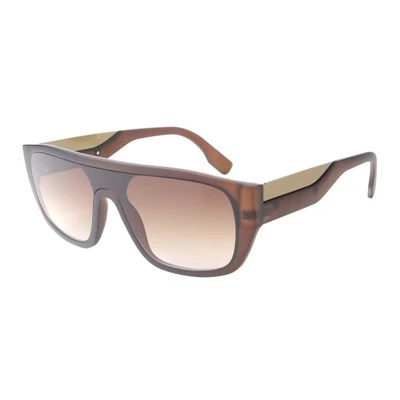
Read
Whether outdoors or indoors, it will be better to read with a pair of reading glasses. They're stylish and functional (especially sunglasses to wear while you read). You can't lose yourself in your favorite novel or memoir without a pair of reading glasses.

Reading glasses are available in a variety of shapes, styles, and magnifications. The lenses come with different features such as blue light filtering, anti-glare, and scratch resistance. When choosing a pair, consider the following.
Fit and Comfort
Your glasses should be comfortable to wear and not pinch your temples or nose. It’s also helpful, though not absolutely necessary, that you like the way they look on your face. If you can, go try them on in person, or make sure you’re able to return ones you don’t like if you’re buying online.
Lens Material
Lenses are commonly made of plastic, polycarbonate, or high-index plastic. Plastic lenses are inexpensive and durable but not as light as polycarbonate or high-index plastics. Polycarbonate is more impact resistant than plastic. Even lighter still, high-index plastics are used mostly for people with strong prescriptions and tend to be more expensive.
Frame Material
Plastic is a popular choice for reading glass frames as it is lightweight and durable. Some glasses have flexible resin frames, meaning they have a bit of bendability. Or, there are classic metal or wire framed options. What you chose depends a lot on your own personal style.
Lens Features
What other features do you want in your lenses? If you spend a lot of time looking at computer screens, you’ll probably want a pair of reading glasses with blue-light blocking and anti-glare. Other available options include UV protection and scratch resistance.
Useful Tips for Maintaining Your Reading Glasses
Effective Methods to Clean Your Reading Glasses
Dirty lenses can cause unclear vision. Therefore, it is important to clean your reading glasses regularly to remove grease, dust, and dirt. Be sure to use a special eyeglass cloth or microfiber cloth to clean your lenses to avoid scratches. It’s best to hold your glasses between your glasses at the bridge of your nose when cleaning. Gently clean your glasses with warm water and mild soap or detergent. Avoid using harsh cleaners containing citric acid on your reading glasses as they can damage the lens coating. Then dry the glasses with a dry microfiber cloth. Don’t forget to clean the temples and frames with warm water and a soft cloth.
How to Store Reading Glasses Safely
Safe storage of reading glasses is important to prevent scratches and damage. Always store your reading glasses in a sturdy or soft case when not in use. Make sure the case or lid is clean before placing your reading glasses in them. Never place your reading glasses face down on a hard surface such as a table as this may cause scratches. If you must put down your reading glasses temporarily, place them with the lenses facing up or hang them around your neck with a spectacle cord.
How to Repair Reading Glasses Yourself: Practical Tips
Sometimes your reading glasses need minor repairs, such as tightening a loose screw or replacing the nose pads. To repair reading glasses, it helps to have a small screwdriver on hand. Regularly check that all screws are tight and tighten carefully if necessary. If your nose pads become worn, you can usually easily find replacement pads at an optical store or online. For larger repairs, it's always wise to seek professional help.
How to Protect Reading Glasses
In order to protect your reading glasses from possible damage, it is important to take some precautions. For example, always wear reading glasses on your face and never slide them on your head, as this may cause the frames to deform. Do not place reading glasses with the lenses facing down on a hard surface. Keep your reading glasses away from heat and avoid contact with chemicals such as hairspray and detergents. Also, it's wise not to carry your reading glasses loosely in your pocket or bag, as they may bend or break.
Safe Use of Your Reading Glasses
To ensure safe use of reading glasses, it is important to follow a few guidelines. Always put on and take off your reading glasses carefully without using excessive force. Hold the temples of your reading glasses with both hands and avoid touching the lenses to avoid fingerprints. Make sure to have your reading glasses checked regularly by an optician to make sure the prescription is still suitable for your eyes and that the glasses adjust correctly to the shape of your head.
Stylish Accessories for Your Reading Glasses
In addition to the above tips, stylish reading glasses accessories can also help you use your reading glasses safely. For example, a glasses cord is a useful accessory so you can carry your reading glasses with you. They come in different colors and styles, so you can choose a rope that suits your personal taste. Additionally, there are beautiful cases and covers to safely store your reading glasses. Whether you choose a convenient glasses cord or a stylish eyeglass case or case, these accessories not only add functionality but also add style to your reading glasses.
Have you heard any of these vision myths? They’re well-known, but they’re still untrue! Discover info about your eye health and vision problems before you get your next pair of eyeglasses or have your next eye exam.
Wearing Over-the-Counter Readers Will Cause You to Become Dependent on Them: NOT TRUE
You may love wearing your reading glasses, but they won’t cause a dependency. Since reading glasses are designed to correct blurry vision, you’ll simply prefer wearing them. Clear vision with readers is preferable to having uncorrected vision, which makes you want to wear your eyeglasses more often. You are simply getting used to seeing clearly, which makes the alternative (like having increased eye strain or frequent dry eyes) uncomfortable. As you wear your readers, keep up with regular eye exams. Your ophthalmologist or optometrist can help you keep track of your eye health so you can be confident about the best reading glasses strength and eyewear for you.
Wearing Readers Makes Your Eyes Stronger: NOT TRUE
Reading glasses help you see clearly, but they do not have any impact on your prescription. Your prescription will change the same amount, whether you wear your readers every day or not. You can treat reading glasses the same if you have a condition like cataracts or glaucoma. Ask your eye doctor if you have questions about your prescription or your reading glasses strength. They can help you determine if you’re wearing the right eyeglasses for your needs.
Reading in Dim Light is Harmful to Your Eyes: NOT TRUE
Good lighting can make reading easier and prevent the effects of eye fatigue or eye strain. When your eyes have to work harder to see in dim light, they become tired. Eye strain can cause symptoms like headaches or itchy eyeballs. While reading in dim lighting can feel uncomfortable for some, you will not cause permanent damage. It’s good news that your eyes are still in good health, but dim lighting can cause straining and discomfort. Thankfully, there are ways you can prevent eye strain while reading a good book. First, ensure you are near a floor lamp or desk lamp bright enough to help you read the text clearly. Change out lightbulbs that seem too dim for reading. Use an extra light like a book light to help illuminate your pages.
Eating Carrots Can Improve Your Vision: NOT TRUE
We know that carrots have lots of vitamin A, a vitamin which is essential for sight. It won’t cure a condition like nearsightedness or farsightedness, but it can help to keep your eyes healthy. Many other foods also have this vitamin. A well-balanced diet, with or without eating carrots, will provide all the vitamin A necessary for your eye health. Fruits and vegetables include vitamin A. So do certain types of dairy and animal products. If you have questions about vitamin A and how much you need for your age or lifestyle, talk to your doctor. They can help you figure out the right nutrients in your diet for eye health.
People with Weak Eyes Should Avoid Reading Fine Print: NOT TRUE
It has been said that people with weak eyes or people who wear readers will damage their eyes sooner if they read fine print. This is because they’re thinking of the eye as a muscle. Instead, the eye is more like a camera. A camera does not wear out quicker because it photographs subjects in close detail. The same thing applies with your eye health. You can use your eyes and eye muscles without fear of wearing them out!
Make Your Reading Glasses Last Longer
There are a variety of small things you can do to make your reading glasses last longer. Of course losing them, dropping them, your dog eating them, etc, can end their lifespan in one fell swoop if you can avoid the catastrophic event treating them kindly can make a big difference in how long they perform and last.
General Reading Glasses Care
Taking good care of your reading glasses can help extend their lifespan and keep them in good condition. Here are some tips to make your reading glasses last longer:
*Use a Protective Case: Whenever you’re not wearing your reading glasses, store them in a protective case. This will shield them from dust, scratches, and potential damage when not in use.
*Clean Regularly: Clean your glasses regularly with a microfiber cleaning cloth designed for eyewear. Avoid using paper towels, tissues, or other rough materials that can scratch the lenses.
*Use a Cleaning Solution: To remove smudges and fingerprints, use a lens cleaning solution or warm, soapy water. Rinse and dry them with a clean, soft cloth.
*Avoid Harsh Chemicals: Do not use harsh chemicals like ammonia-based cleaners, acetone, or alcohol on your glasses, as they can damage the lenses and frames.
*Handle with Care: Always handle your glasses with clean hands. Avoid touching the lenses with your fingers, as natural oils and dirt from your skin can transfer to the glass.
*Adjust Properly: If your glasses have adjustable nose pads or temples, make sure they fit comfortably. Proper adjustments can prevent stress on the frame and hinges.
*Regular Maintenance: Periodically check for loose screws in the hinges and tighten them if necessary. Loose screws can cause misalignment and frame damage.
*Avoid Excessive Heat: Keep your glasses away from extreme heat, like leaving them in a hot car or placing them near a heater, as this can warp the frames.
*Use a Neck Strap or Retainer: If you’re prone to misplacing your glasses, consider using a neck strap or retainer. This prevents accidental drops and loss.
*Regular Eye Exams: Ensure that your prescription is up to date. Wearing outdated reading glasses can strain your eyes and potentially lead to more frequent replacements. If your current pair are not allowing you to see clearly ordering a new pair of readers at the next power up may save you money in the long run by keeping your eyes healthier.
*Don’t Rest Them Upside Down: When placing your glasses on a surface, make sure the lenses are facing upward to prevent scratching. Nothing is worse than looking through scratched lenses.
Putting on & Taking off Your Reading Glasses
We saved the most important item for last. How many times a day to you take your reading glasses on and off, a lot right? The act of putting them on and taking them carefully can be the single most important factor in how long your readers last. For full frame readers, it stresses the hinge causing it to break and stretch out the frame causing it to become loose and fall off of your face. Seeing as how the temple arm is attached directly to the lens this can crack the lens over time. When taking off or putting on your reading glasses, use both hands to remove them simultaneously. Taking off your glasses with one hand can be bad for them for several reasons:
*Uneven Stress: When you use one hand to remove your glasses, you apply uneven stress to the frame and the lenses. This can lead to the frame becoming misaligned or twisted. Over time, this can cause the frame to lose its shape, affecting the fit and comfort of your glasses.
*Risk of Dropping: Using one hand to remove your glasses increases the risk of dropping them. If the glasses slip from your fingers or the uneven pressure causes a lens to pop out, it can result in costly damage or scratches to the lenses.
*Loosening Screws: The hinges and screws on your glasses are designed to maintain the proper alignment of the frame. Using one hand to take off your glasses can put additional stress on these components, potentially causing the screws to become loose. Loose screws can lead to the glasses becoming wobbly and, in some cases, even breaking.
*Smudging and Scratching: When you take off your glasses with one hand, you are more likely to touch the lenses with your fingers. This can transfer oils, dirt, and debris from your skin onto the lenses, leading to smudges and scratches. Over time, these imperfections can impair your vision and necessitate more frequent lens cleaning or even replacement.
*Reduced Lifespan: All these factors can contribute to a reduced lifespan for your glasses. The more stress, misalignment, and damage they endure, the shorter the time they will remain in good condition, requiring you to replace them sooner.
Our certificate
Our company has obtained the following certificates:


Production Equipment
The following are the production equipment we use:


Frequently Asked Questions
We're well-known as one of the leading reading glasses manufacturers and suppliers in China. Please feel free to wholesale customized reading glasses at competitive price from our factory. Good service and quality products are available.